Medical waste management is a critical aspect of healthcare that requires careful attention and proper handling. With the increasing demand for medical services and advancements in medical technology, the generation of medical waste has also significantly increased. This waste, which includes sharps, infectious waste, pharmaceutical waste, and radioactive materials, poses serious risks to human health and the environment if not managed efficiently.
Effective medical waste management involves the proper segregation, collection, transportation, treatment, and disposal of medical waste to ensure minimal risks to healthcare workers, patients, and the community. It requires adherence to strict guidelines and regulations set by local authorities and international organizations such as the World Health Organization (WHO). This article delves deep into the various aspects of medical waste management, exploring different techniques and practices that healthcare facilities can adopt to ensure safe and environmentally friendly disposal of waste. It also highlights the importance of education and training programs for healthcare personnel to foster awareness and compliance with proper waste management protocols.
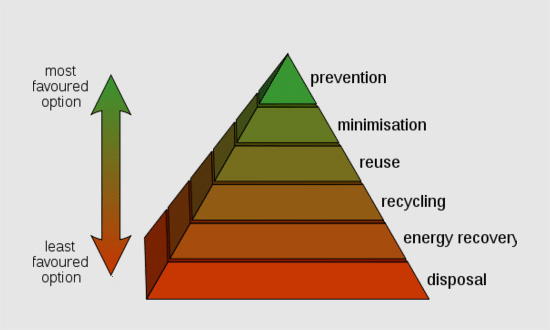
The Role of Proper Segregation in Medical Waste Management
Proper segregation is a crucial step in medical waste management to ensure the safe and effective disposal of hazardous materials. It involves the careful categorization of waste into different groups based on their characteristics and potential risks. By segregating medical waste at the point of generation, healthcare facilities can minimize cross-contamination and prevent the mixing of different types of waste.
Segregation also allows for the identification and proper handling of hazardous waste, such as sharps and infectious materials, which require special attention. Healthcare facilities in Charlotte, North Carolina, can rely on professional hazardous waste disposal services like Hazardous waste disposal Charlotte to ensure that all hazardous waste generated is properly contained, transported, treated, and disposed of in accordance with regulatory standards.
Importance of Education and Training Programs in Medical Waste Management
Education and training programs play a vital role in enhancing awareness among healthcare personnel regarding proper medical waste management. Healthcare workers need to be educated about the potential risks associated with improper handling and disposal of medical waste and trained on best practices to mitigate these risks.
By implementing comprehensive training programs, healthcare facilities can ensure that their staff members are equipped with the knowledge and skills required to handle medical waste safely. These programs should cover areas such as waste segregation, handling techniques, personal protective equipment usage, and emergency response procedures. When healthcare personnel are well-informed and trained, they can actively contribute to maintaining a safe environment for themselves, patients, and the surrounding community by adhering to proper waste management protocols such as Hazardous waste disposal Charlotte.
In conclusion, effective medical waste management is crucial in ensuring the safety of healthcare workers, patients, and the environment. Proper segregation of waste at the point of generation is essential to prevent cross-contamination and ensure the appropriate handling of hazardous materials. By relying on professional hazardous waste disposal services, healthcare facilities can guarantee that all hazardous waste is handled in accordance with regulations. Education and training programs are also vital in fostering awareness among healthcare personnel about the potential risks associated with improper waste management and equipping them with the necessary skills to mitigate these risks. By adhering to proper waste management protocols, healthcare facilities can contribute to maintaining a safe and environmentally friendly healthcare system.
Leave a Reply