Are you looking to sell land in Oklahoma? Whether you have a parcel of farmland, ranch land, or residential property, there are plenty of opportunities to make a profit by selling your land in the Sooner State. With its diverse landscapes, bustling cities, and strong economy, Oklahoma is a great place to invest in real estate and sell land.
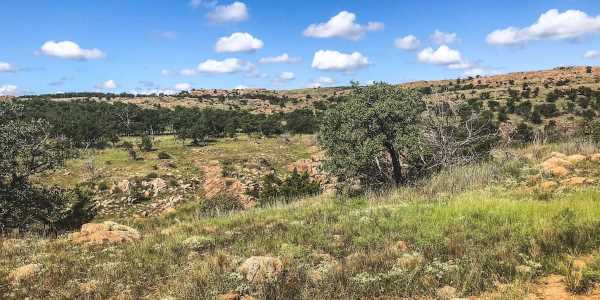
From the rolling hills of the Ozark Plateau to the fertile plains of the Great Plains region, Oklahoma offers a variety of landscapes that appeal to a wide range of buyers. With its affordable cost of living and growing population, there is high demand for land in Oklahoma. In this article, we will explore the process of selling land in Oklahoma and provide tips for maximizing your profits in this competitive market.
Maximizing Your Profits
Selling land in Oklahoma can be a lucrative venture if you approach it strategically. One way to maximize your profits is by showcasing the unique features of your land. Whether it’s a stunning view, proximity to amenities, or potential for development, highlighting what sets your property apart can attract more buyers. Additionally, pricing your land competitively based on market trends and comparable sales can help you secure a quick sale at the best possible price. Consider working with a reputable real estate agent or land buying company like Sell land in Oklahoma to streamline the selling process and ensure you get the most value for your land.
Understanding the Market
To sell land successfully in Oklahoma, it’s crucial to understand the local market trends and buyer preferences. Researching recent sales in your area can give you insights into what types of properties are in demand and at what price points. By staying informed about economic developments, population growth, and infrastructure projects in the region, you can position your land to appeal to potential buyers. Don’t hesitate to leverage online platforms, social media, and networking opportunities to market your land effectively. With the right knowledge and marketing strategy, you can navigate the competitive Oklahoma real estate market and sell your land for a profitable return.
Selling land in Oklahoma can be a profitable endeavor, especially if you take the time to understand the market and strategically showcase the unique features of your property. By pricing competitively and leveraging the expertise of real estate professionals, you can attract a wide range of buyers and secure a lucrative sale. Stay informed about local trends, market conditions, and buyer preferences to position your land effectively in the competitive Oklahoma real estate market. With careful planning and a well-executed marketing strategy, you can maximize your profits and make the most of selling land in Oklahoma.